Facebook advertising has become an essential digital marketing tool, with enormous reach and powerful capabilities. To get the most out of its potential this year you need to follow the current trends and the most effective Facebook advertising strategies: successfully integrating artificial intelligence into the creative process, optimising interactive advertising, and a good deal more. In this article we discuss all of these strategies — the ones that have worked best this year — and how to apply them in your own campaigns.
What is Facebook advertising?
Facebook advertising is a paid form of digital advertising that lets businesses and organisations reach an enormous and varied audience. With more than 2.8 billion monthly active users, Facebook lets advertisers reach people worldwide. The platform allows audiences to be defined very precisely by demographic data (age, gender, location), interests, behaviour and other criteria. That lets advertisers reach exactly the people most likely to be interested in their products or services.
Paid advertising on Facebook offers a range of formats: image advertising, video advertising, carousel advertising, stories advertising and many more. Each format has its own advantages and can be used to reach different marketing goals.
Facebook advertising offers enormous potential to businesses, non-profit organisations and personal brands alike, reaching large numbers of people, raising brand awareness and generating leads and sales.
How do you attract followers on Facebook?
One of the most effective ways to attract followers on Meta is to produce good, valuable, interesting content for the channel. Make sure your posts are visually appealing, engaging and relevant to your audience. Share content regularly that your followers will find useful — advice, articles, video, infographics.
Facebook advertising can help you attract followers faster if you are only starting to develop your account. Do not miss the chance to invest in advertising to raise your page’s visibility and attract new followers. Use targeted advertising aimed at your ideal audience. Optimise it by age, gender, interests and other demographics.
The most effective Facebook advertising strategies
Current Facebook advertising trends
To run Facebook advertising strategies effectively and understand them better, it matters to follow the current trends and put them into practice. One of the most important aspects of those trends is personalisation. Advertising shaped around particular audiences produces better results. The Meta advertising platform lets you define audiences precisely by demographics, interests and behaviour, which makes personalised advertising more important all the time.
Video and stories advertising trends
Video and stories advertising is becoming more popular all the time. Short, engaging video and vertical full-screen stories catch attention quickly and increase engagement. These formats are particularly effective at reaching a younger audience and prompting fast action.
Meta’s automated creative tools
Meta has introduced new automated tools that help produce different versions of an advertisement quickly and test which works best. They let advertisers optimise campaigns more efficiently and achieve better results for less effort.
Using artificial intelligence in Facebook advertising
Artificial intelligence is becoming an ever more important element of Facebook advertising. AI algorithms help you understand behaviour better and optimise campaigns in real time. That lets advertisers reach their target audience more effectively and, naturally, increase their return on investment.
Interactive and engaging Facebook advertising
Interactive advertising such as polls, quizzes and dynamic ads is becoming more popular. These forms encourage people to engage actively with a brand, increasing engagement and awareness.
The growing scale of e-commerce advertising
E-commerce advertising through Facebook is becoming more important all the time. Dynamic product ads, showing the products someone has viewed or added to a basket, help increase sales and customer loyalty.
Audience targeting strategies for Facebook advertising
Demographic targeting is one of the principal Facebook advertising strategies. Advertisers can select audiences by age, gender, location, education, family status and other demographics. That reaches specific groups precisely — the ones best suited to a particular product or service.
Interest and behaviour targeting
Facebook gathers a great deal of data about interests and behaviour that can be used in targeting. Advertisers can select audiences by their interests, hobbies, favourite activities and buying habits. That reaches the people likely to be interested in the product or service being advertised.
Custom audiences
Custom audiences let advertisers reach people already connected to their business: existing customers, site visitors, or those who have interacted with the brand on social media. This strategy helps maintain the relationship with existing customers and encourage their loyalty.
Lookalike audiences
Lookalike audiences are built from data on existing customers or visitors. Facebook uses algorithms to find people with similar demographics, interests and behaviour to your best customers. That helps attract new prospects most likely to be interested in what you offer.
Retargeting audience strategies
Retargeting reaches people who have already visited your site or interacted with your content but have not yet decided. Dynamic retargeting ads automatically show the products someone viewed on your site, raising the likelihood that they return and buy.
Geographic targeting
Geographic targeting lets you direct advertising at people in particular places — cities, regions, countries or even a radius around a specific location. That is particularly useful for local businesses looking to attract customers from a defined area.
Using the Facebook Pixel
The Facebook Pixel is an analytics tool that tracks what people do on your site after seeing your advertising. The data it gathers gives a better understanding of behaviour and lets you optimise campaigns. It also helps build more effective custom and retargeting audiences.
Facebook advertising content and creative strategy
Facebook advertising content has to be visually appealing, short and clear, so it catches attention quickly and carries the main message. Creative strategy covers using engaging, interactive formats, authenticity, and continuous testing and optimisation for maximum effectiveness.
Visual content
Visual content is an essential element of Facebook advertising. High-quality photography and video catch attention quickly and encourage engagement. It matters that the visual content is not only appealing but genuinely related to the product or service being advertised. Professionally produced visuals help strengthen a brand image and carry the main message more effectively.
Mobile-friendly Meta advertising
Most Meta users are on mobile devices, so it matters to produce advertising content that looks and works well on a phone. Vertical video, optimised images and short, clear messages are all important in making advertising appealing and easy to view on mobile.
Short, clear messages
Meta users take in a great deal of content in a short space of time, so it matters that advertising messages are short and clear. Convey the main message quickly and effectively, using short sentences and strong calls to action (CTAs). A clear, direct message helps people understand what you are telling them and what they should do.
Engaging content
Producing content that draws people in and encourages them to interact with the advertising matters a great deal. That might be questions, polls, competitions or interesting stories connected to your brand. Engaging content not only increases engagement but builds a stronger connection with your audience.
Authenticity and storytelling
Authenticity and storytelling are the key to successful Facebook advertising. People value genuine, sincere messages that reflect a brand’s values and mission. Stories showing how your products or services can improve someone’s life help build an emotional connection and make the advertising more effective.
Testing and optimisation
Continuous testing and optimisation are essential to the best results. Use A/B testing to try different elements — images, copy, calls to action — and establish which versions work best. Optimise your campaigns against the data you gather.
Interactive advertising formats
Interactive formats such as carousel ads, where people can look through several products, or dynamic ads, which automatically show relevant products, help increase engagement and conversion. They give people the chance to interact more actively with your content and get to know your products or services better.
Successful Facebook advertising campaigns in 2024
One good thing about this field is that we can analyse the market leaders and apply what works for them to our own work. In 2024 Nike made successful use of personalised dynamic Facebook advertising and interactive stories to increase engagement. Airbnb presented authentic stories about life in different cities, while Coca-Cola and Spotify used interactive, visually appealing campaigns to encourage interaction and raise brand visibility.
Nike: a Facebook advertising example
In 2024 Nike ran a successful Facebook campaign built on personalisation. Using dynamic ads, Nike showed people the products they had recently viewed or added to a basket on its site. Nike also used interactive stories in which people could choose their favourite products and receive personally tailored offers. The campaign helped increase sales and engagement, because it gave every person an experience shaped around them.

Airbnb: a Facebook advertising example
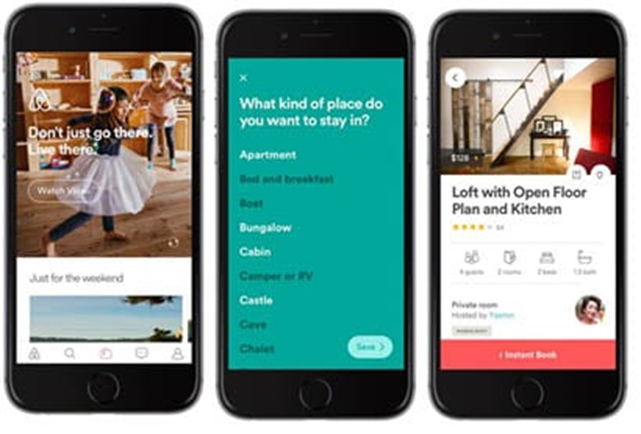
Airbnb’s campaign, called “Live Like a Local”, concentrated on telling authentic stories. It showed video and photography from real people sharing their own experiences of living in different cities through Airbnb. That helped strengthen the brand’s authenticity and encouraged people to use Airbnb, because they could see how others had done it. The campaign was a considerable success and increased both bookings and loyalty.
Coca-Cola: a Facebook advertising example
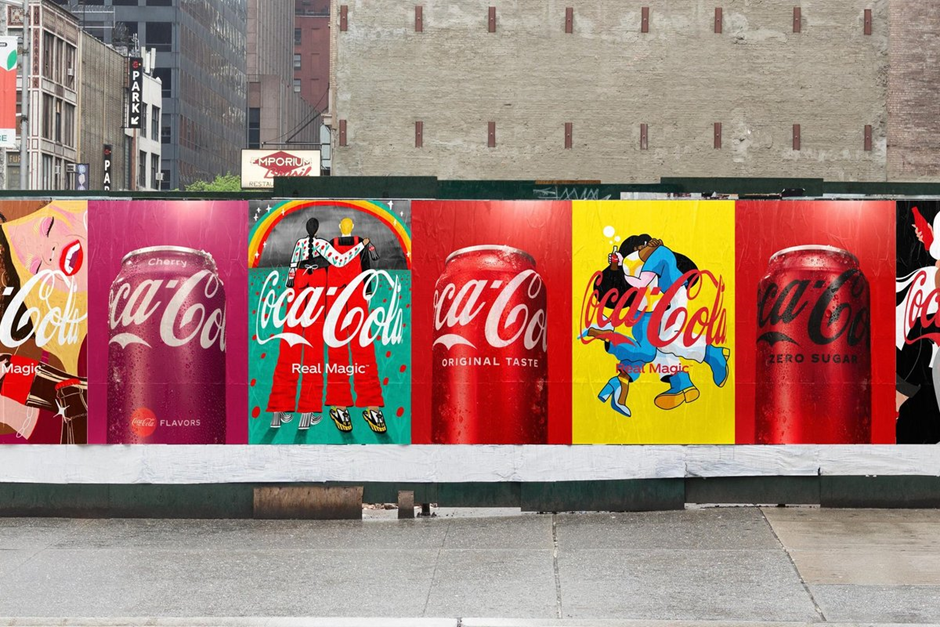
Coca-Cola’s 2024 campaign used interactive carousel ads in which people could look through different Coca-Cola products and learn about their origins and how they are made. The campaign used bright, appealing visuals and calls to action (CTAs) encouraging people to share their favourite products with friends. That helped raise brand visibility and encouraged active participation.
Spotify: a Facebook advertising example
Spotify used Facebook advertising to promote its personalised music recommendations. The campaign used video and animation emphasising Spotify’s distinctive ability to suggest music matched to each person’s taste. The advertising was shaped around listening habits and interests, which helped increase app downloads and subscriptions.

L’Oreal: a Facebook advertising example
L’Oreal ran a campaign using video with beauty advice and product demonstrations. It also involved working with influential beauty influencers who shared their favourite L’Oreal products and advice on using them. That helped increase engagement and sales, because people could see how the products work in real life.
These campaigns show how different brands use different strategies and creative solutions to reach their goals and increase both engagement and sales.
The future of Facebook advertising, and what it means for strategy
Facebook advertising will be increasingly oriented towards the advantages of artificial intelligence and automation, which allow campaigns to be personalised and optimised. The role of social commerce will grow too, along with integration with AR and VR technology, while stricter privacy requirements demand ethical use of data and transparency.
The growth of artificial intelligence and automation
Artificial intelligence and automation will become ever more important to the future of Facebook advertising. AI algorithms will improve campaign optimisation and personalisation, letting advertisers automatically produce and adapt content around behaviour and preferences. That will allow more precise audience definition, better forecasting of results and more efficient budget allocation.
Augmented and virtual reality integration
Integrating AR and VR into Facebook advertising will open new creative possibilities and new ways of engaging people. Advertising that lets people experience products and services in a virtual environment, or interact with augmented reality, can increase engagement and improve the brand experience.
The effect of privacy and data protection rules
As privacy and data protection rules such as GDPR and CCPA tighten, Facebook advertising will have to adapt to new requirements. Advertising strategy will need to concentrate on ethical use of data and on transparency, while finding ways to reach people effectively without extensive collection of personal data.
The growing role of social commerce
Social commerce, which lets people buy directly through social platforms, will keep expanding and become an important part of Facebook advertising. Integrated shopping features and convenient payment options will give people a smoother buying experience and encourage impulse purchases.
Growing attention to creativity and variety of content
Investing in creative, varied content that stands out in a competitive environment will matter more still in future. Advertising able to create a distinctive, engaging experience will be more effective at catching attention and encouraging engagement.
These trends show that the future of Facebook advertising will be oriented towards technological sophistication, protecting privacy and innovative advertising formats, in pursuit of a competitive advantage and effective engagement.
Conclusion
Facebook advertising offers a great many new opportunities this year, but success depends on being able to apply current strategies and monitor results continuously. Put this advice into practice in your own campaigns and watch your advertising become more effective. And remember to stay flexible and keep learning — in digital marketing everything changes quickly.
At the agency we apply these and other Facebook advertising practices, so if you need professional help, get in touch for a free consultation.

